
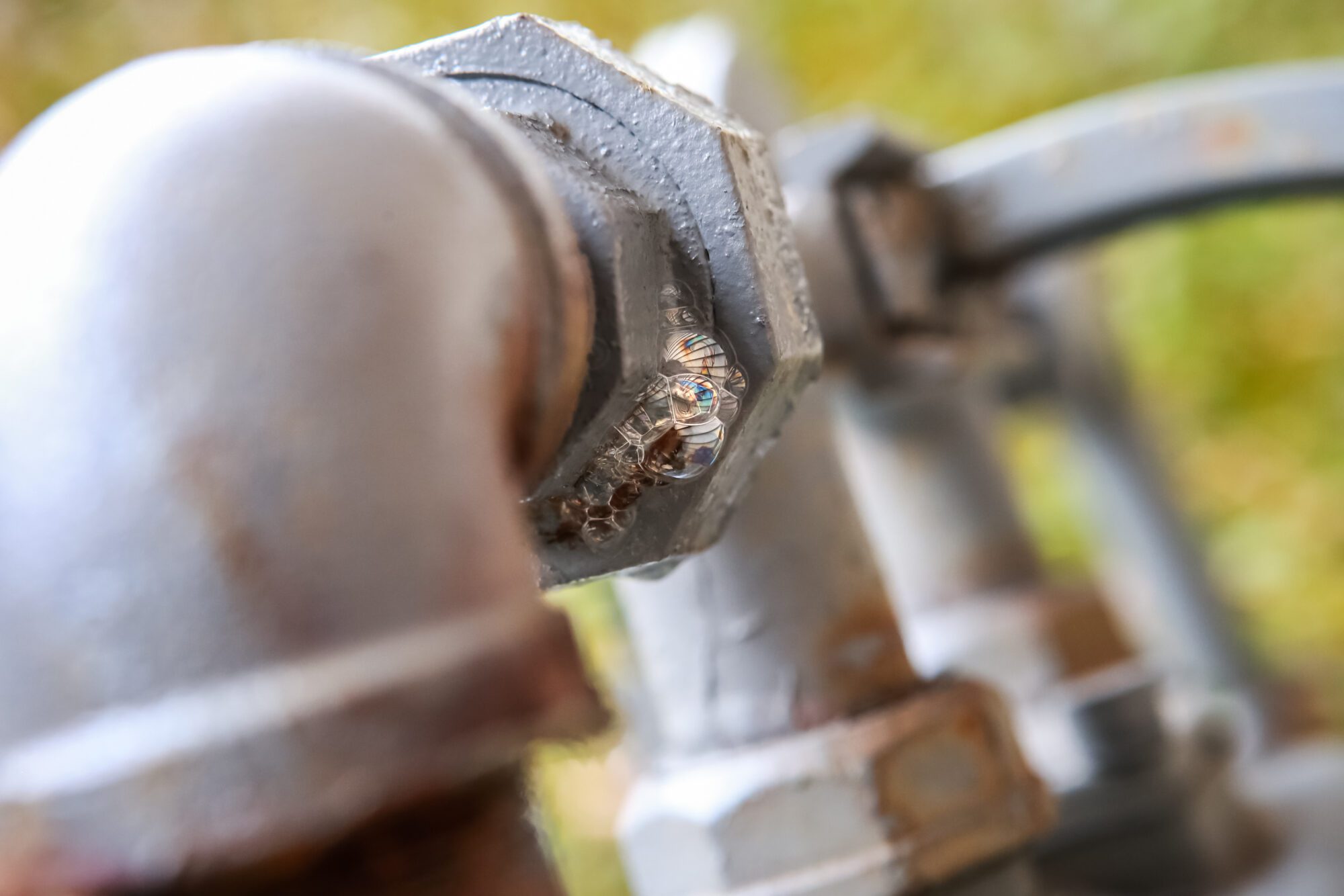
When a building faces sudden repair bills, property managers often turn to insurance for relief. But not every costly repair qualifies as an insurable loss. A recent case involving a gas leak reported by a community association’s gas utility company illustrates why certain infrastructure failures, like failed pressure tests and pipe replacements, are excluded, and what property managers and boards can do to prepare.
The Scenario
- An association’s gas utility company detected a gas leak in the building.
- The utility requires a pressure test to confirm system integrity.
- The building fails, revealing widespread deterioration in the gas piping system.
- The only solution: hundreds of thousands of dollars in pipe replacement.
For managers, this feels like a sudden crisis. Unfortunately, insurance carriers see it differently.
Why Insurance Denies the Claim
Property insurance is designed to cover sudden and accidental events—fires, explosions, storm damage. It does not function as a maintenance plan. Here’s why this claim was denied:
- Wear and Tear Exclusion– Pipe deterioration is considered gradual. Policies exclude losses caused by wear, tear, rust, corrosion, or deterioration.
- No Covered Peril Trigger- The failed pressure test didn’t cause damage; it revealed existing damage. Insurance requires a direct physical event (like a burst pipe flooding units) to trigger coverage.
- Maintenance vs. Loss– Replacing old pipes is a capital improvement, not an insurable loss. Insurance doesn’t cover upgrades or deferred maintenance.
- Compliance Costs Aren’t Covered- Even though the utility company mandates replacement for safety, compliance costs alone don’t create coverage unless tied to a covered peril.
- What About Ordinance and Law Coverage?- Ordinance or Law coverage pays for extra costs to repair or rebuild a damaged property to meet current building codes and upgrading systems (electrical, plumbing) to modern standards after a covered loss like a fire. The issue here is that there is no initial covered loss to trigger the coverage.
This scenario can be seen as a wake-up call for managers overseeing aging buildings. Here’s how to turn it into a learning opportunity:
- Build a Preventive Maintenance Program – Schedule routine inspections of gas, water, and HVAC systems. Document findings to anticipate capital needs before they become emergencies.
- Know Your Policy Exclusions – Review your property insurance with your broker. Pay attention to exclusions for corrosion, wear and tear, and utility compliance. Understanding these gaps helps you plan reserves.
- Budget for Capital Improvements – Insurance won’t cover infrastructure upgrades. Establish a reserve fund for major system replacements, such as gas lines, boilers, and roofs, so you’re not blindsided.
- Explore Risk Transfer Options – Consider service contracts, warranties, or utility protection programs for critical systems. While not insurance, these can offset costs.
- Communicate with Owners Early – Owners often assume insurance will cover everything. Educate them about exclusions and the importance of proactive investment in building systems.
Insurance is a safety net, but it’s not a substitute for proactive property management. In this case, the failed pressure test exposed long-term deterioration – not a sudden accident. That distinction is why the claim was denied, leaving the property owner responsible for the full cost of pipe replacement. Anticipate infrastructure risks, educate stakeholders, and budget for the inevitable. Doing so transforms a potential financial shock into a manageable, planned expense. Reach out to me with questions anytime.
