
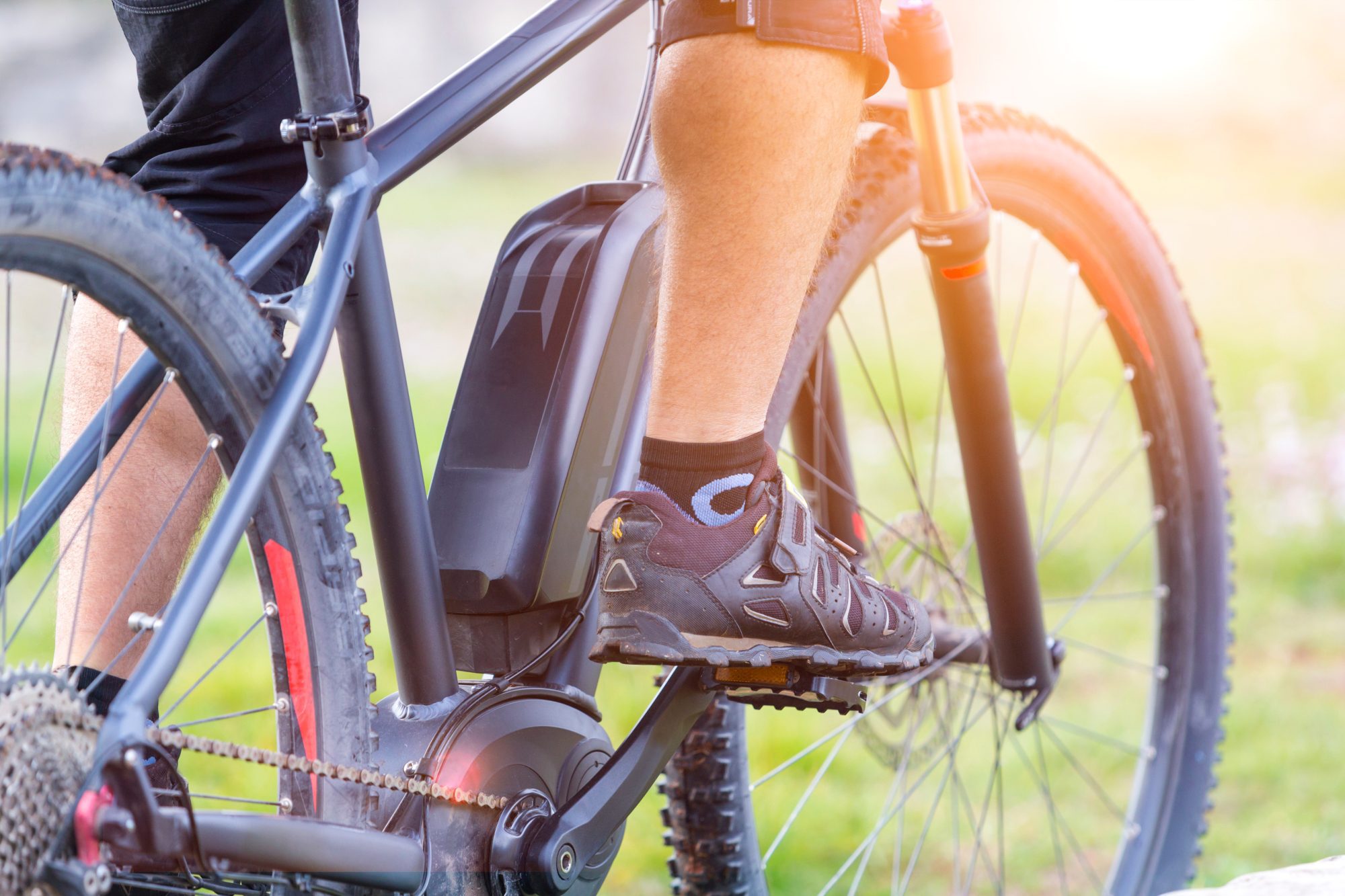
As e-bikes continue to grow in popularity, New Jersey lawmakers have responded with significant new regulations aimed at improving rider safety and addressing concerns about accidents, injuries, and lithium-ion battery hazards. Effective in 2026, New Jersey’s updated law introduces new licensing, registration, insurance, and safety requirements that riders, property owners, and community associations should understand. Based on information published by the New Jersey Motor Vehicle Commission (NJMVC), these changes represent one of the most comprehensive e-bike regulatory frameworks in the country.
Under these new regulations, e-bikes are now categorized more similarly to motorized vehicles than traditional bicycles. Riders must:
- Be at least 15 years old.
- Obtain either an e-bike license or possess a valid driver’s license.
- Register their e-bike with the NJMVC.
- Comply with mandatory helmet requirements.
- Carry insurance where required, depending on the type of e-bike.
For years, e-bikes existed in a gray area between bicycles and motor vehicles. Many homeowners assumed their personal insurance policies would automatically cover accidents involving e-bikes, while some riders believed liability exposure was minimal. The new law changes that conversation.
E-bikes can travel at significantly higher speeds than traditional bicycles. As their use increases, so does the frequency and severity of accidents. If an e-bike rider causes bodily injury or property damage, questions may arise regarding personal liability coverage, homeowners insurance applicability, umbrella liability protection, and vehicle-related exclusions.
Insurance carriers may now place greater emphasis on whether an e-bike was properly registered, licensed, and operated in compliance with state law at the time of a loss.
For condominium and cooperative associations, the concern extends beyond rider liability.
Many insurance carriers have become increasingly focused on the fire risk associated with lithium-ion batteries used in e-bikes. Internal risk management materials within our industry have highlighted that a single lithium-ion battery fire can lead to substantial property damage, increased insurance premiums, and/or underwriting restrictions. Internal carrier guidance has increasingly encouraged strict policies around storage, charging, and use of e-bikes within residential buildings.
Some carriers have already implemented underwriting restrictions for buildings that permit e-bikes in common areas, allow batteries to be stored inside units, or lack formal e-bike safety policies.
Community associations should review whether current policies adequately address:
- Storage policies – designate approved storage areas away from living spaces whenever possible.
- Charging restrictions – prohibit charging in hallways, common areas, or other locations not specifically designed for battery charging.
- Resident education – Provide written guidance regarding:
-
- Safe charging practices.
- Manufacturer recall notices.
- Proper battery disposal.
- Fire prevention measures.
The new law creates an opportunity for riders to review their own insurance protection.
Ask these questions:
- Does my homeowners policy cover my e-bike?
- Is there a value limit for theft coverage?
- Would I have liability protection if I injured someone while riding?
- Do I need a separate policy or endorsement?
- Does my umbrella policy extend to e-bike-related claims?
Coverage varies substantially by carrier and policy form, making a professional review worthwhile.
New Jersey’s new e-bike law reflects a growing recognition that e-bikes pose unique liability and property risks, and are no longer treated as simple bicycles. Understanding the new rules and the resulting insurance implications will be essential to reducing exposure and avoiding unpleasant surprises after a claim.
Reach out to us with questions anytime, and click here to download our free PDFs of e-bike recommendations for board members and residents.
