
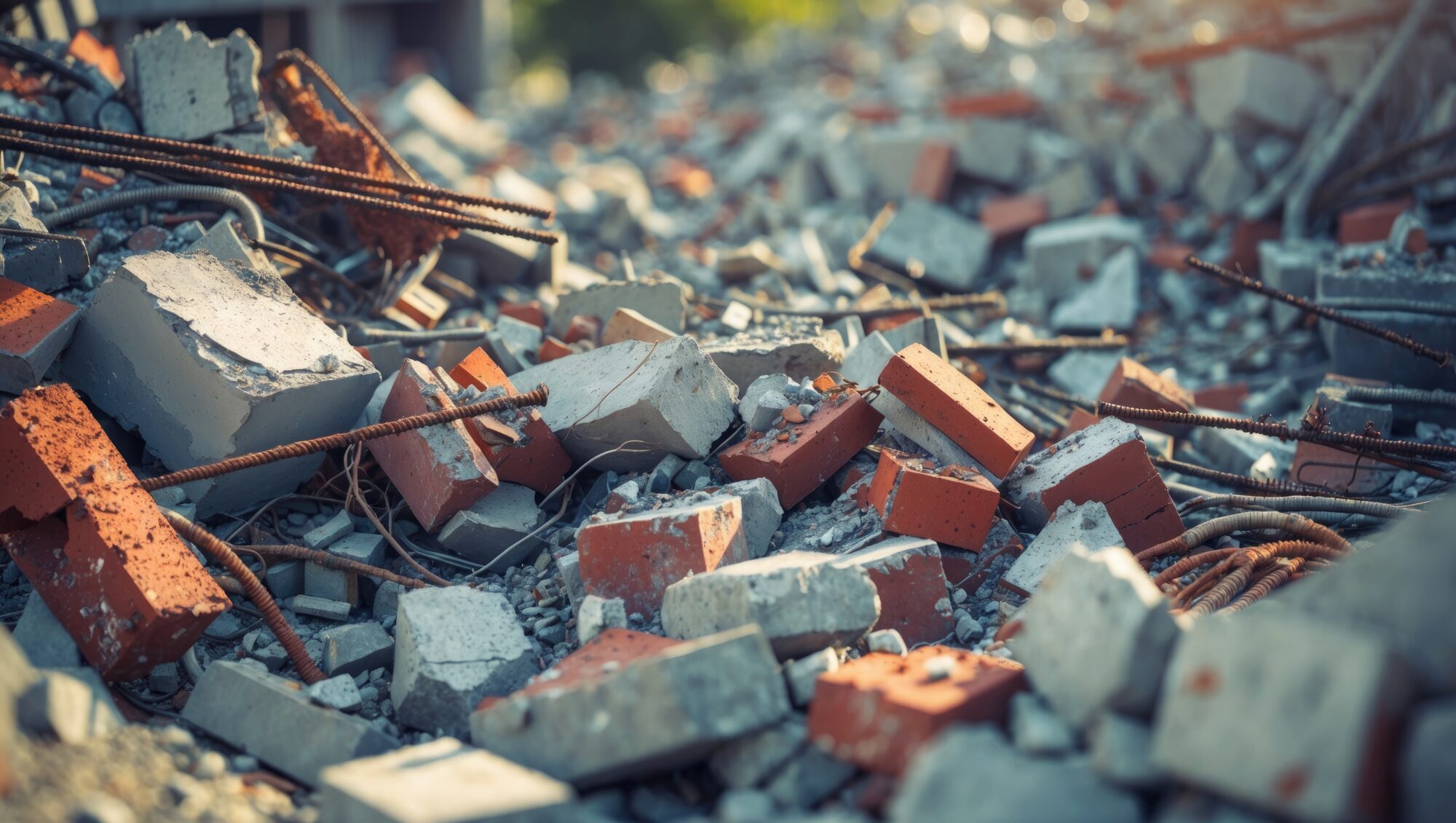
Although we don’t know many details yet, the recent explosion at an apartment building in the Bronx, NY, serves as a significant example of two key issues for board members and property managers: the importance of Building Ordinance or Law coverage and addressing open building violations.
Building Ordinance or Law Coverage
Many boards and building owners don’t realize that a standard property policy doesn’t always cover the full costs of rebuilding after a loss. This is where Building Ordinance or Law coverage comes in.
Local building codes and ordinances often change over time. If your building is damaged, even partially, you may be required to rebuild in compliance with current codes—not the codes that were in place when your building was originally constructed. That can mean higher costs, which can leave a serious gap in coverage if you don’t have ordinance or law protection.
Building Ordinance or Law coverage is an insurance add-on that helps protect against the extra expenses of complying with modern building codes after a covered loss (such as a fire, storm, or water damage). It typically comes in three parts:
Coverage A: Loss to the Undamaged Portion of the Building – If only part of your condo or co-op building is damaged, local law may require that the entire building be demolished and rebuilt to meet current codes.
- Example: A fire damages 30% of a building. Even though 70% is untouched, the city requires demolition and rebuilding. Standard property insurance typically covers only the damaged part, not the demolition of the undamaged portion.
- Coverage A steps in to cover the value of that undamaged portion.
Coverage B: Demolition Cost – Even if your property insurance pays for the repair of damage, it usually does not cover the cost of demolishing undamaged portions of the building.
- Example: A fire damages only 30% of the building, but you’re required to tear down the rest of the building, including foundations, structural supports, or outdated electrical systems.
- Coverage B covers the cost of safely demolishing and removing debris from the undamaged portion.
Coverage C: Increased Cost of Construction – Once the damaged or demolished portion is rebuilt, it must meet today’s building codes. That can mean higher expenses for materials, labor, or design upgrades.
- Example: Installing fire sprinklers, upgrading wiring, or improving accessibility under the Americans with Disabilities Act (ADA).
- Coverage C pays for these added costs so your building can be brought up to current standards.
Many properties were built decades ago and are more likely to fall short of modern codes. Without ordinance coverage, the board could be forced to issue a costly assessment to unit owners, and real estate owners may experience hardship in the event of a claim.
Addressing Open Building Violations
The Department of Buildings and the Housing Preservation Department issue violations for homes and buildings throughout New York City. Violations can range from simple tasks, such as servicing and updating your fire extinguisher, to more complex issues like bed bug remediation. Depending on the severity or number of violations, this could lead to serious problems for the building, both when marketing insurance and in the event of an insurance claim.
If your association has any open violations, carriers may decline to quote immediately or require that the violations be resolved before reconsidering the quote. They do not want to enter into a relationship when there is clear potential for claims to arise.
If a claim occurs due to an open violation, it indicates that the board was aware of the situation and failed to address it, which then places liability on the building.
You can check the Department of Buildings and Housing Prevention Department websites by entering your address and seeing if any open violations are listed for your property. If there are, we urge you to address them as soon as possible, as they could take weeks or even months to close.
When you own or manage a condominium, co-op, apartment, or commercial property, insurance is one of your most essential responsibilities to keep your building and its residents safe. You never know when a claim may arise, so it’s best to be as prepared as possible. Reach out to us with questions anytime; we’re here to help.
