
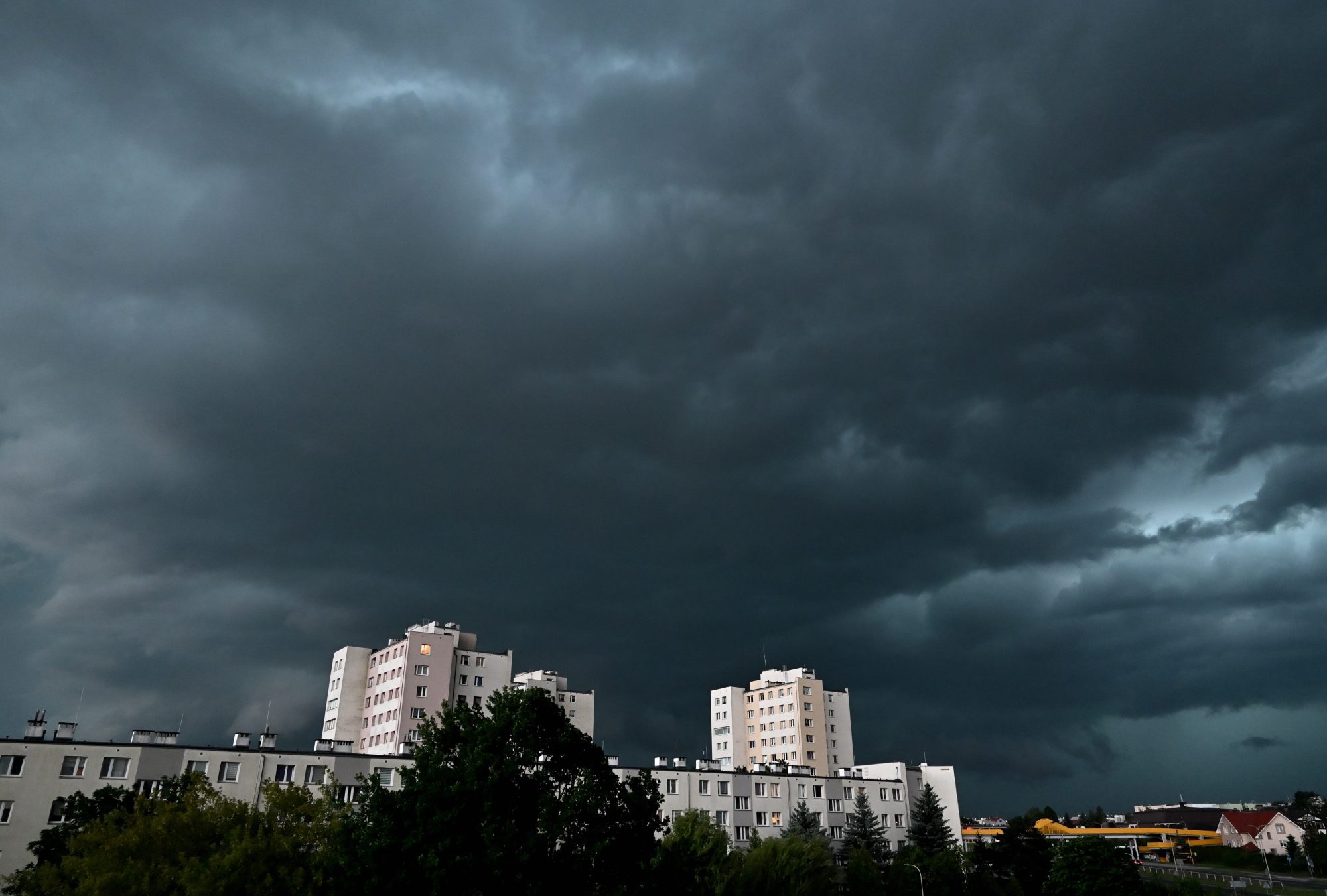
Before any storm hits, review your documents, insurance policies, and operations checklists. All board members, property managers, and residents should be prepared for severe weather.
BEFORE A STORM
- Maintain and continuously update a Master Emergency Contact List that includes:
- All resident names
- Number of people in each unit
- Number of small children in each unit
- Special needs residents/elderly/others who would require help evacuating
- Pets
- Resident’s phone numbers
- Resident’s email addresses
- Back up the list remotely for access during any emergency situation.
- Periodically review emergency phone numbers for ambulance services, fire department, police, and rescue squads to ensure they’re correct and current.
- Keep phone numbers next to systems used for emergency communications, such as telephones, public address systems, and two-way radios.
- Include contact information for regular service contractors as well as potential emergency contractors and vendors.
- Always make sure your emergency communications systems are in working order.
- Educate owners and residents on insurance coverage
- Allocate a debris storage space and an alternate office space
- Communicate an evacuation order to all residents and an “all-clear” when it’s safe to return home.
- Remove/secure loose objects that could be dangerous when winds pick up (trash cans, potted plants, pool furniture).
- Shut off propane tanks.
- If necessary, obtain a line of credit to pay for any emergency repairs beyond the reserve fund, at least up to the property’s insurance deductible. If you have a co-insurance amount, remember to take that into account as well.
DURING A STORM
- Leading up to a hurricane, essential personnel—managers, engineers, and front desk employees—should remain at the property to maintain building services and assist residents with evacuation.
- All essential personnel should be trained to mitigate damage to designated mechanical equipment (ex: elevators, water pumps, HVAC systems).
- Perform anticipatory grounds maintenance, including emptying dumpsters, removing or securing outdoor furniture, and preparing the pool/spa area. Remind residents with balconies to bring all contents from that area inside.
- Take time-stamped pictures/videos of the property’s exterior and common areas, and store them in a safe place off-site or backed up in the cloud.
- Evacuate if necessary.
AFTER A STORM
- Act quickly! Clean up water-damaged dwellings, replace shattered windows, pull out soaked carpeting and drywall, and take any other measures to prevent mold, wet rot, and further damage that could affect other units and residents.
- Go through each contact and get an initial read on resident safety and property damage.
- If an insurance claim needs to be filed, the sooner you file it, the sooner it can be handled.
The Ready Business program is intended to help plan for natural disasters and other emergencies. In the event of catastrophic damage, building owners and managers have many responsibilities, including protecting residents, employees, and the property. Click here for help navigating an emergency.
As always, if you have questions or need to report a claim, reach out to us anytime.
