
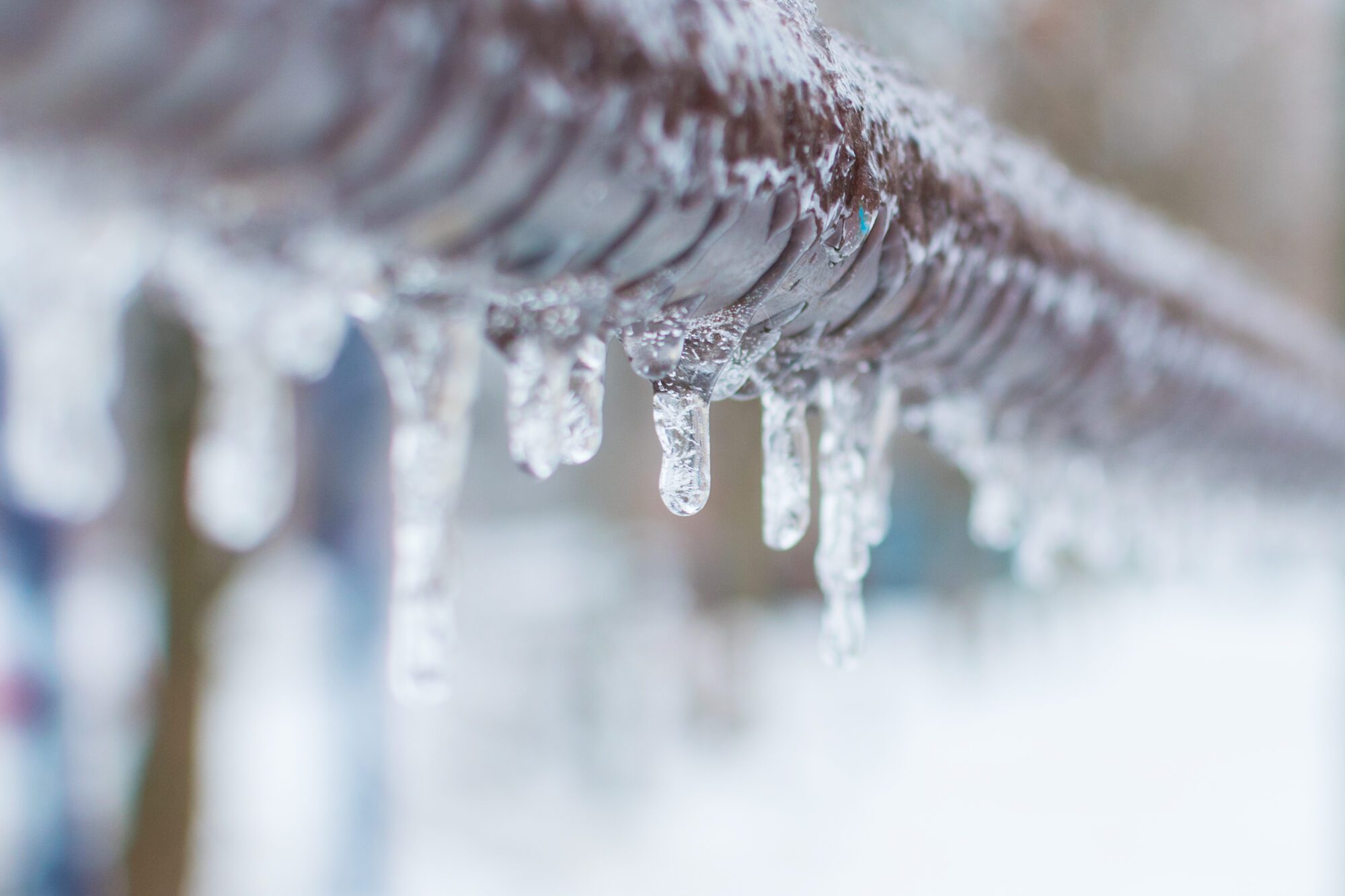
When winter temperatures plunge, one of the most significant risks for community associations is frozen pipes. Each year, insurance carriers see a spike in claims for water damage caused by burst pipes. These incidents are not only disruptive but also costly, often leading to extensive repairs, resident displacement, and higher premiums.
In multi-unit buildings, a single burst pipe can cause widespread water damage, impacting multiple units, common areas, and even the building’s electrical systems. The average water damage claim from frozen pipes can exceed $10,000, not including potential business interruption, mold remediation, or resident relocation costs.
Prevention is far more affordable than a claim. A little preparation now can save thousands of dollars and countless headaches later. The following steps should be taken in all associations:
Maintain Consistent Heating
- Ensure that mechanical rooms, hallways, and vacant units maintain temperatures above 55°F.
- Use smart thermostats or building automation systems to monitor temperatures in vulnerable areas.
- Never fully shut off the heat in unoccupied units—insurance policies often exclude coverage if proper heat maintenance wasn’t observed.
Insulate Exposed Pipes
- Focus on pipes in attics, crawl spaces, garages, mechanical rooms, and exterior walls.
- Use foam insulation, heat tape, or pipe sleeves to provide extra protection.
- Don’t forget sprinkler system piping – these are frequent culprits in large-loss events.
Seal Gaps and Drafts
- Inspect for openings around windows, vents, and pipe penetrations.
- Use caulk or insulation to seal drafts that allow cold air to reach plumbing lines.
Install Temperature Sensors and Leak Detection Systems
- Smart leak sensors can detect moisture and automatically alert maintenance before a small drip becomes a disaster. We recommend Prosentry.
- Consider water shutoff valves with remote monitoring for high-risk areas.
Conduct Regular Maintenance and Winterization
- Before winter, flush outdoor irrigation systems and drain hose bibs.
- Inspect insulation and weatherstripping annually.
- Keep up-to-date plumbing schematics for quick access in an emergency.
Even with strong building protocols, unit owners play a critical role. Proactive communication helps prevent claims and ensures everyone does their part to protect the property. Property managers and boards should regularly remind residents to:
- Keep interior doors open to allow warm air circulation.
- Let faucets drip slightly during extreme cold to keep water moving.
- Know where the shutoff valve for their unit is.
- Immediately report any maintenance issues, such as drafts, leaks, or frozen pipes.
Insurers value prevention efforts, and often reward them. Keep maintenance logs documenting winterization steps and inspections. Documentation demonstrates proactive risk management, which can help maintain favorable premiums and reduce claim disputes.
Download our free Winter Survival Kit for Community Associations to learn more about protecting your building and residents during the cold weather, and reach out to us with questions anytime. Stay warm!
