
Managing a co-op or condominium means protecting more than the physical building. Boards and property managers also need to protect residents, control insurance exposures, and identify small problems before they become expensive claims. One of the simplest ways to accomplish these goals is to have the building superintendent conduct a documented site inspection at least once a month. A monthly walkthrough can uncover conditions that might otherwise go unnoticed until they cause property damage, an injury, or a violation of the building’s rules.
Many significant insurance claims begin with relatively minor maintenance issues. A slow leak, damaged handrail, or malfunctioning piece of equipment may not seem urgent at first. Left unaddressed, however, that same condition can result in extensive property damage or a liability claim.
A superintendent’s monthly walkthrough should pay attention to areas such as:
- Roofs, drains, gutters, and signs of water intrusion
- Basements, boiler rooms, and mechanical areas
- Exposed or accessible plumbing and visible leaks
- Hallways, stairwells, and emergency exits
- Sidewalks, pathways, and other potential trip hazards
- Railings, lighting, and common-area doors
- Elevators and obvious leveling or operational problems
- Storage rooms and possible fire hazards
- Balconies, terraces, and patios
- Trash and recycling areas
When permitted by the governing documents, buildings may also consider scheduled unit inspections focused on specific high-risk conditions. Boards should periodically remind residents to check washing machine and dishwasher hoses, plumbing connections, water heaters, smoke and carbon monoxide detectors, and other equipment within their units.
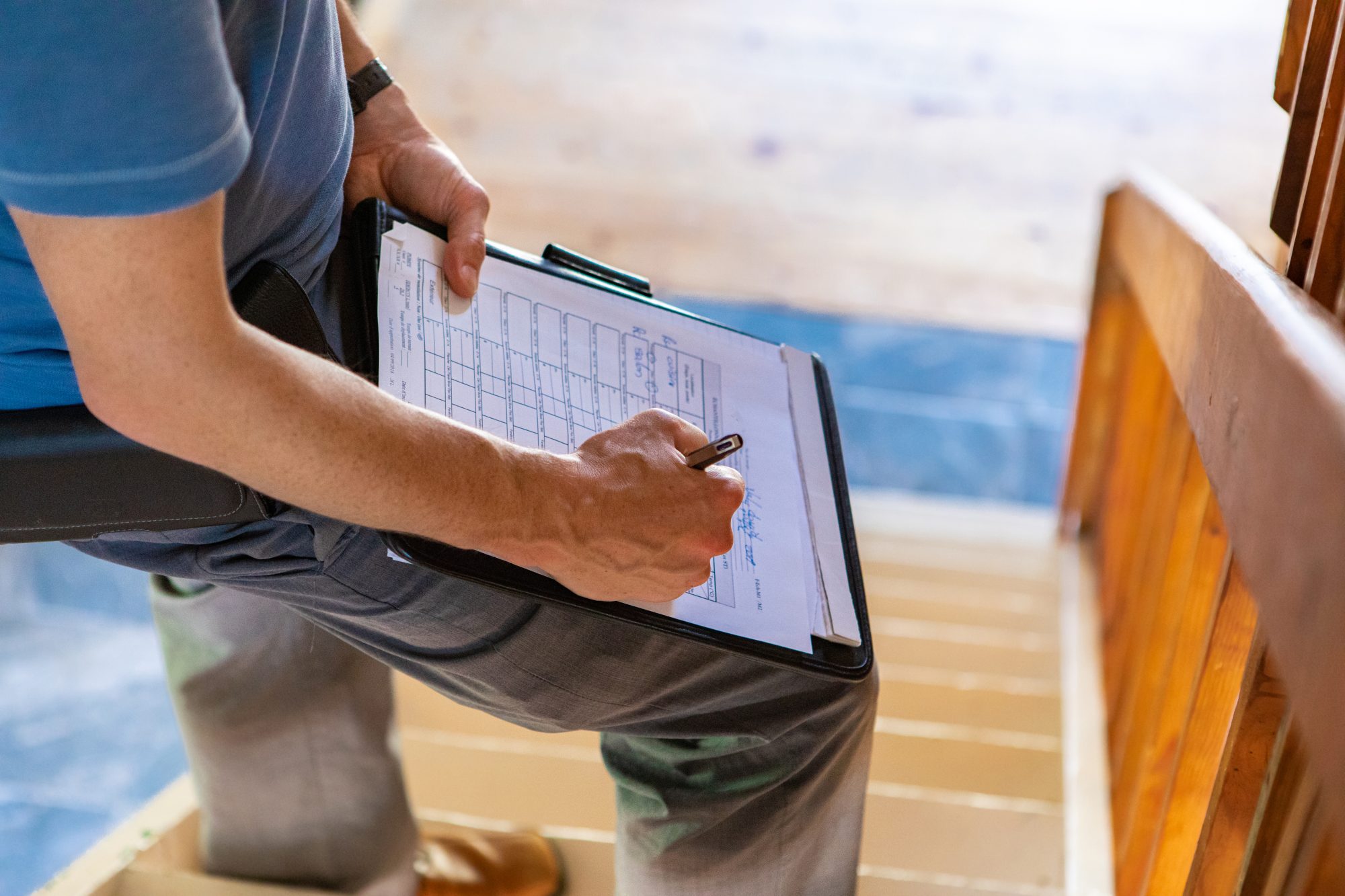
The superintendent shouldn’t simply walk around the property and report, “Everything looks good.” Use a standardized checklist every month and document:
- Date and time of inspection
- Areas inspected
- Condition observed
- Photos of problems, when appropriate
- Corrective action required
- Person responsible for addressing it
- Target completion date
- Date the issue was resolved
This creates accountability and makes it easier for the property manager and board to track recurring problems. Documentation can also be valuable from an insurance perspective. Maintenance records, inspection reports, preventative maintenance schedules, and evidence of repairs can help demonstrate that an association is actively managing its exposures rather than waiting for a loss to occur.
A monthly superintendent inspection shouldn’t replace professional inspections, preventive maintenance contracts, engineering reviews, or required governmental inspections. Instead, it fills the gap between those more formal reviews. Think of the superintendent as the building’s first line of defense. Someone who knows the property well is more likely to notice a stain on the ceiling that wasn’t there last month or a sidewalk crack that’s getting worse.
For a free copy of Mackoul’s fillable Superintendent Routine Checklist, please click here.
