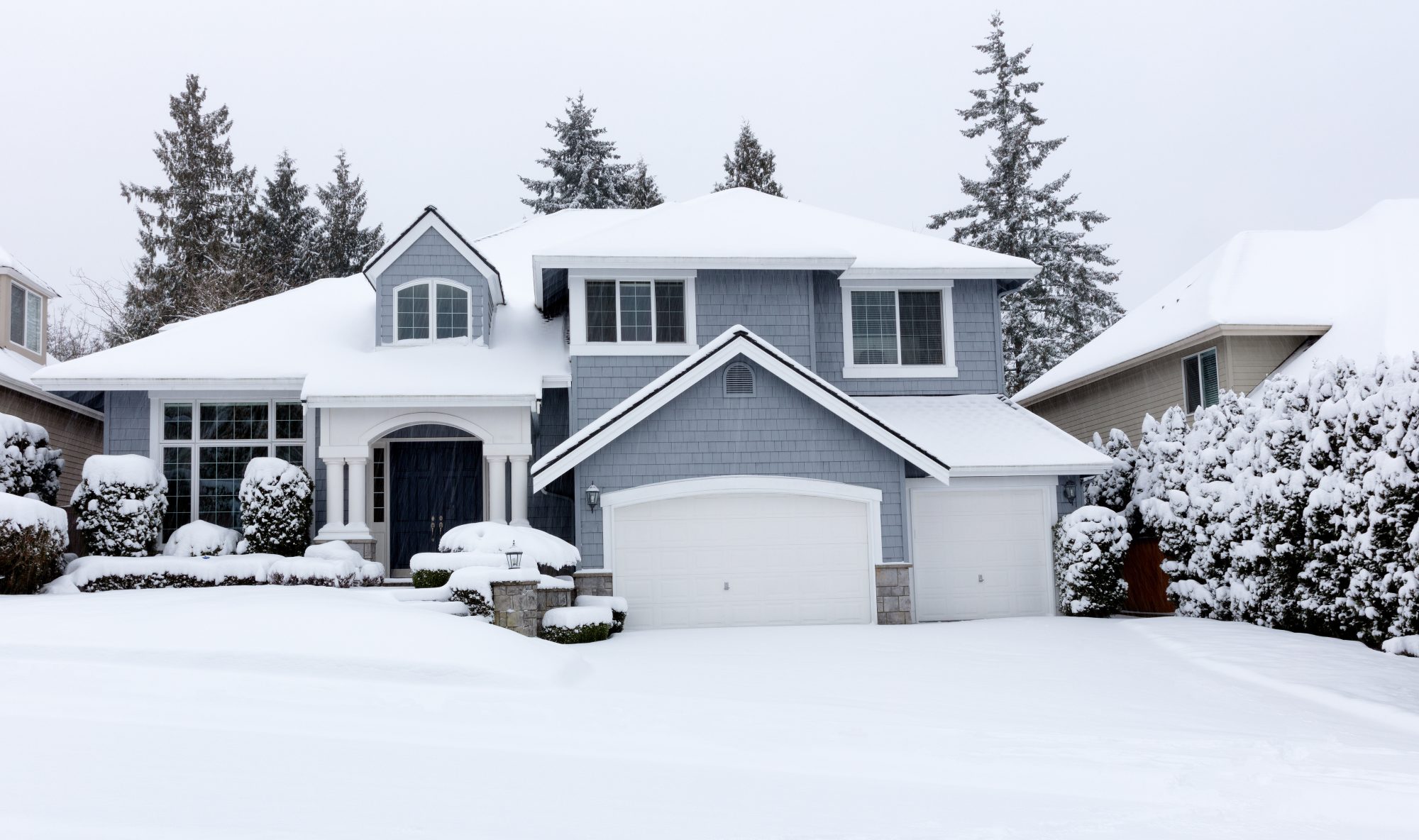
A home can sit empty over the winter for many reasons. You may be spending the season somewhere warmer, waiting for a sale to close, or between tenants. Whatever the reason, an empty house in cold weather carries more risk, and your insurance may not cover it the way you expect. Vacant homes face hazards like burst pipes, theft, vandalism, and liability claims, and coverage for these losses may be limited depending on the policy and circumstances.
Homeowners policies may limit or exclude certain coverages when a home is vacant or unoccupied for an extended period. Time periods and restrictions vary by carrier and policy, so homeowners should review their specific policy with their insurance agent before leaving a property empty.
“Vacant” and “unoccupied” are not necessarily the same, and the distinction can affect coverage. Unoccupied generally means no one is currently living in the home, but furniture and belongings may still be inside. For example, a furnished second home closed for the winter may be considered unoccupied. Vacant generally refers to a home that is substantially empty of both people and the property needed for normal occupancy. However, definitions vary by policy, so don’t assume you’re protected simply because the house is still furnished. Read the specific policy language and ask your insurance agent how your carrier defines these terms.
Frozen pipes have their own coverage considerations, regardless of how long you’re away. Many homeowners’ policies exclude damage caused by freezing of plumbing, heating, air conditioning, or sprinkler systems unless reasonable care was taken to maintain heat in the building or the water supply was shut off and the systems and appliances were properly drained. In other words, if you leave for Florida in December, turn the furnace off to save money, and a pipe bursts in February, the carrier may deny the resulting freeze-related water damage claim.
Vacant properties can also create liability exposures. For example, a delivery person could slip on an icy walkway while no one is home. Whether a particular liability claim is covered depends on the policy and circumstances, which is another important reason to notify your insurance agent when a property will be vacant or unoccupied for an extended period.
The solution may be relatively simple. Insurers may offer vacant home insurance policies or vacancy endorsements designed for properties that will be empty for an extended period. Depending on the policy, coverage may be available for risks such as fire, wind, theft, vandalism, certain water losses, and premises liability. Coverage varies significantly by carrier and policy, so homeowners should review the available options with their insurance agent.
If you’re heading to warmer weather this winter, here are some important steps to take before you go:
- Call your insurance agent before you leave. Let them know how long the home will be empty, who will be checking on it, and how often. Ask how your policy defines “vacant” versus “unoccupied,” what it needs to maintain freeze coverage, and whether you need a vacancy endorsement or separate policy.
- Keep the home adequately heated. Follow any minimum-temperature requirements contained in your policy or recommended by your carrier. Consider having the heating system serviced before you leave and make sure the thermostat and any monitoring devices are working properly.
- Protect your plumbing. Disconnect and drain garden hoses, close inside valves to outdoor spigots when appropriate, and properly winterize pool, sprinkler, and other water lines. If you plan to shut off and drain the home’s plumbing system, make sure it is done correctly.
- Document the condition of the home. Take date-stamped photos or video of the rooms and major systems before you leave. If something happens while you’re away, having a record of the home’s condition can help during the claims process.
- Consider water leak sensors, automatic water shutoff valves, and temperature alerts. These devices can provide early warning before a small problem becomes a major loss. Ask your agent whether your carrier offers credits or discounts for approved protective devices.
- Arrange for someone to check the property regularly. Ask a trusted neighbor, family member, property manager, or home-watch service to inspect the house. Check your policy or ask your carrier whether it requires inspections at a specific frequency.
- Have a plan for snow and ice. Keeping walkways shoveled and treated, exterior lighting working, and the property reasonably maintained can help reduce slip-and-fall risks while you’re away.
Many winter losses can be prevented, and you can often address potential coverage issues before you leave. The key is to talk to your insurance agent before the house sits empty, not after something goes wrong. Reach out to us with questions anytime. Stay warm!
