
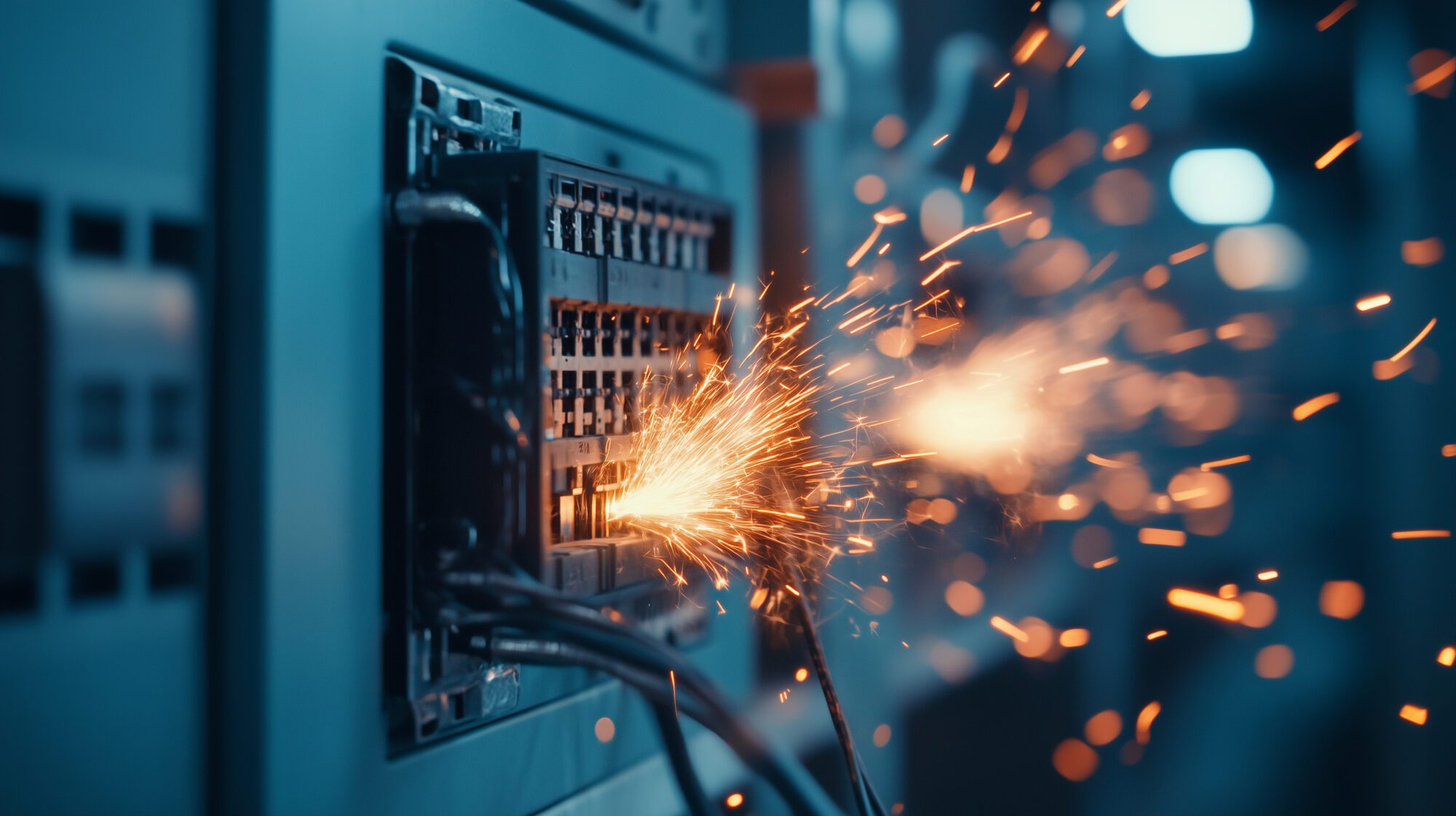
Zinsco electrical panels are known to have significant design flaws, particularly a poor connection between the circuit breakers and the aluminum bus bar. This flaw can cause the breakers to fail, leading to overheating and an increased risk of fire.
Due to these known fire risks, most insurance companies are very cautious about homes with Zinsco panels. We have seen an uptick in loss recommendations being issued by insurance companies to replace these types of electrical panels or run the risk that the policy will be cancelled. Therefore, it is highly advisable to replace the panel before shopping for new insurance.
Zinsco electrical panels are no longer approved by electrical codes because of their malfunctioning tendencies and the serious risks they pose, such as fire and electrical shock. One of the major issues noted with these type of panels is that they tend to melt to the main bus bar. This means that the breaker can never trip, even in the case of a short or overloaded circuit. If a short or other problem occurs, the surge of power can melt wires and potentially start a fire.
Here are some specifics on why Zinsco panels are considered a safety hazard:
- Zinsco breakers use a horseshoe-shaped aluminum clip to connect to the bus bar. This clip can corrode, expand, and contract with temperature changes, leading to a poor connection and overheating.
- The breakers in Zinsco panels may not trip when they should during overcurrent or short-circuit conditions, potentially causing the panel to overheat and melt.
- The poor connection and potential for breaker failure can lead to arcing, which can weld the breaker to the bus bar and cause the breaker and surrounding components to melt, preventing the breaker from functioning properly.
- When a breaker can’t trip, it allows excessive current to flow, which can overheat wires and potentially ignite a fire.
- Zinsco panels may not be able to handle the increased electrical demands of modern appliances and electronics, further contributing to overheating and potential failure.
Given these risks, it is essential to address this issue promptly. Please consider taking the necessary steps to replace any Zinsco panels in your home to ensure safety and compliance with current electrical codes. Reach out to us with questions anytime.
