
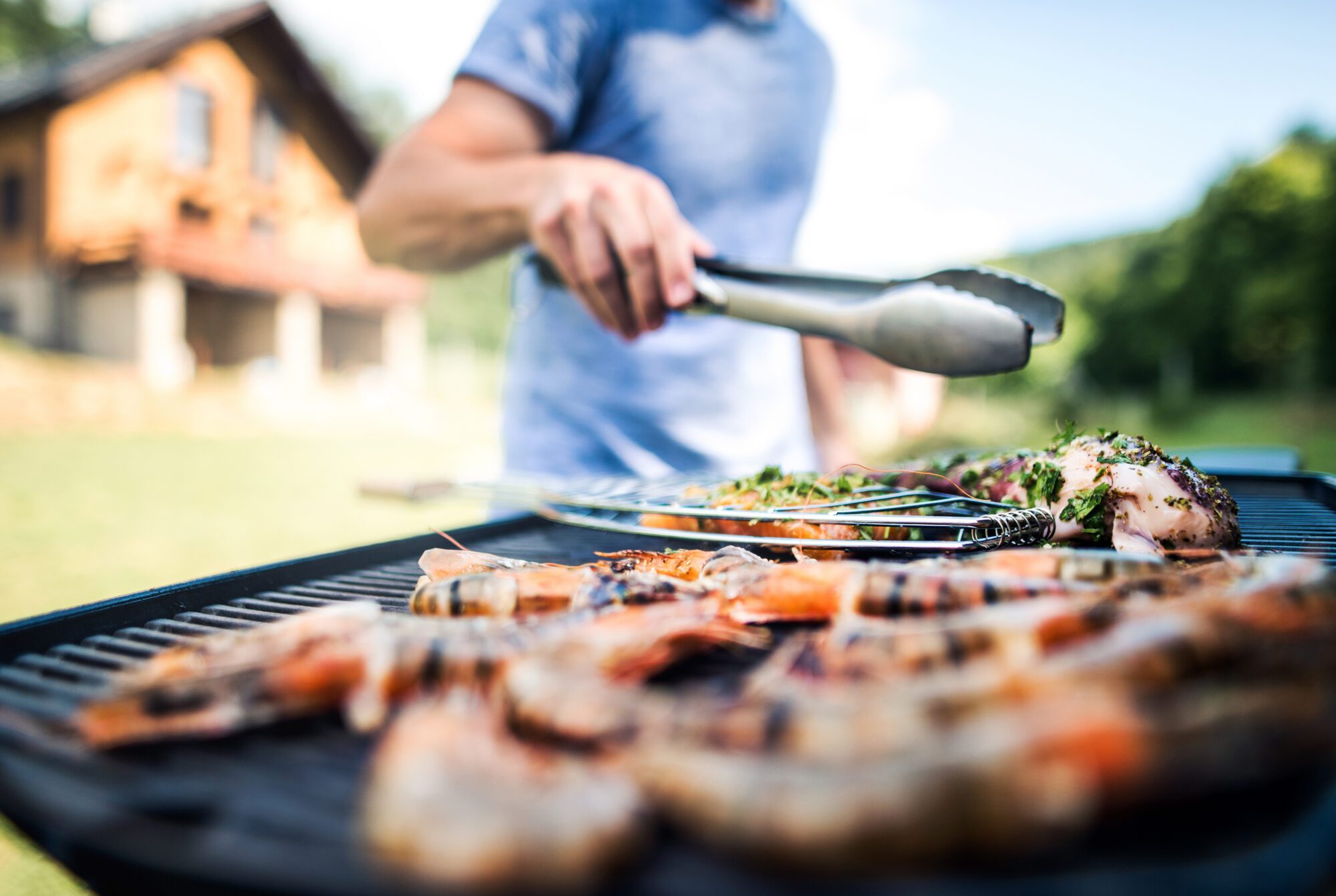
Whether you’re grilling burgers in your backyard or enjoying a cookout in a shared community grilling area, safety should always be the main ingredient on the menu. Grills can create significant fire and liability exposures if proper precautions aren’t taken.
According to the National Fire Protection Association (NFPA), gas grills are involved in thousands of home fires each year, and many grill-related fires begin because the equipment is not properly maintained, is placed too close to combustible materials, or is left unattended. By following a few simple safety measures, homeowners, residents, boards, and property managers can help reduce the risk of injuries, property damage, and insurance claims.
Before lighting the grill, take a few moments to inspect it. Check propane hoses, connectors, and cylinders for cracks, leaks, or damage. Replace any scratched, nicked, or worn connectors that could lead to gas leaks, and clean grease trays and cooking surfaces to prevent flare-ups.
One of the most important rules is location. Ensure the grill is on a stable, non-combustible surface, such as concrete or asphalt, and is placed well away from buildings, railings, decks, furniture, trees, and any other combustible materials. Insurance carriers frequently recommend maintaining at least 10 feet of separation from structures and other fire hazards.
Whether you’re hosting a family gathering or preparing a weeknight dinner, keep these safety practices in mind:
- Never leave the grill unattended. Many grill fires occur when the cook walks away, even briefly. Stay by the grill while it is in operation and monitor it continuously.
- Keep children and pets at least three feet away from the grilling area. Establish a designated “kid-free zone” around the grill to prevent accidental burns and injuries.
- Avoid loose clothing, dangling sleeves, or anything that could easily catch fire. It’s also wise to avoid distractions such as excessive alcohol consumption while grilling.
- Always store propane tanks outdoors in an upright position. Never store cylinders beneath the grill, inside a garage, basement, shed, or residence. High temperatures can increase pressure in the tank and create dangerous conditions.
When cooking is complete, turn off all burners and close propane tank valves. If grilling with charcoal, allow it to cool completely before disposal. Clean the grill to remove grease buildup that can fuel future fires.
For condominiums, co-ops, HOAs, and apartment communities, barbecue safety goes beyond individual responsibility. Boards and property managers must also consider the safety of neighboring residents and shared property.
Community associations should develop and enforce clear policies regarding:
- Where grilling is permitted
- Approved grill types
- Hours of operation
- Propane storage requirements
- Resident responsibilities
- Consequences for violations
These rules should comply with local fire codes and be communicated through newsletters, signage, and meetings. Emergency contact information should be posted near any grills, with easily accessible fire extinguishers nearby. Regular inspections should also be conducted to ensure equipment remains in good condition.
Many insurance carriers strongly discourage or prohibit grilling on balconies, terraces, rooftops, and other elevated outdoor spaces. These locations often increase the risk of fires spreading to residential units and common areas.
A combination of clear rules, resident education, routine inspections, and proper safety equipment can go a long way toward reducing risk and ensuring everyone enjoys a safe grilling season.
Summer grilling should be enjoyable, not memorable because of a preventable accident. By maintaining your equipment, using grills responsibly, and following community safety guidelines, you can help protect your family, your neighbors, and your property. Reach out to us with questions anytime.
